October 9, 2026
Interior design often depends on the relationship between individual elements, from furniture and lighting to wall colors and decorative accents. Flooring plays an especially important role because it covers such a large portion of a room and establishes a foundation for the overall aesthetic. Hardwood flooring has remained a popular choice for generations because it combines natural character with practical durability and a wide range of design possibilities.
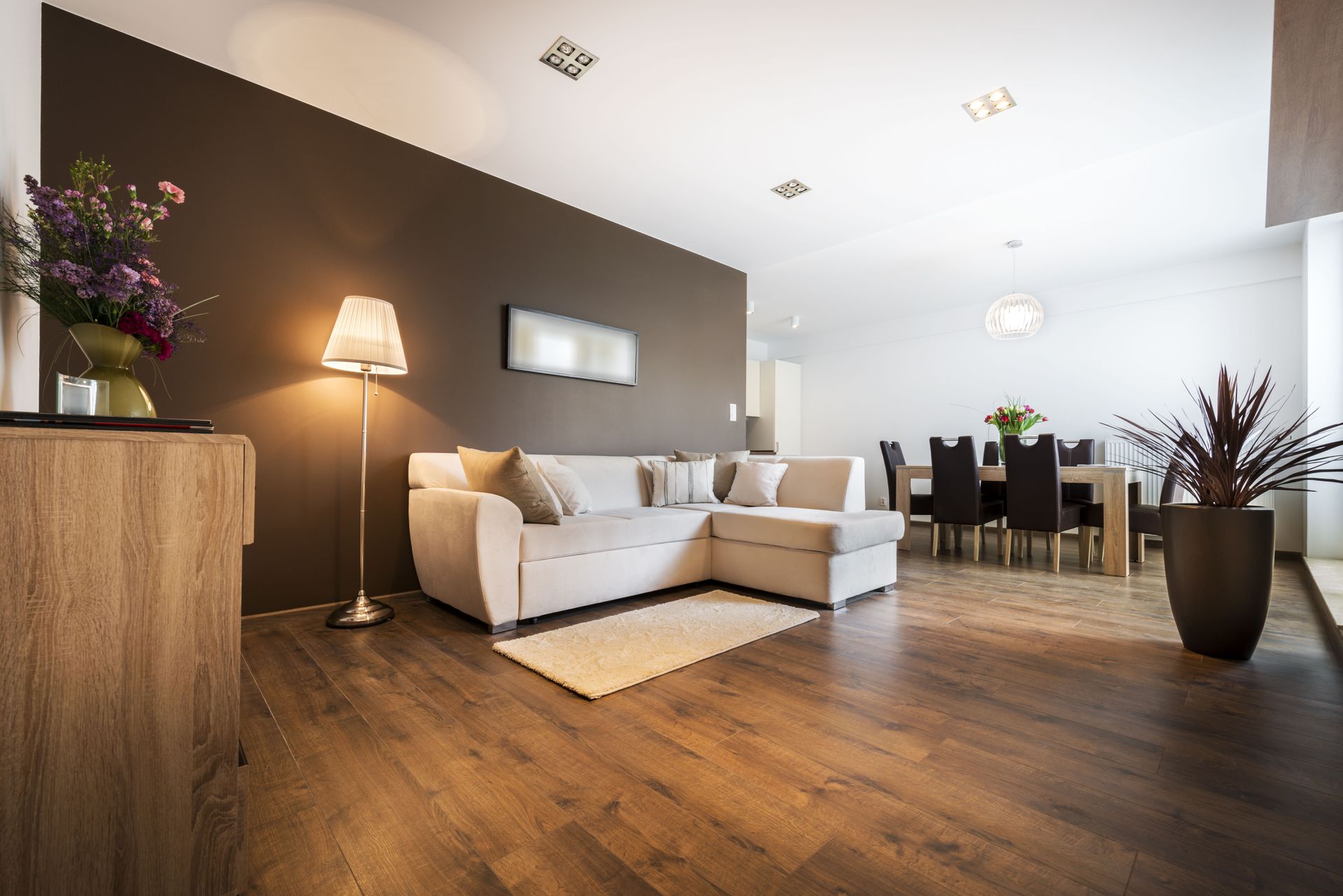
Beyond its appearance, hardwood flooring can influence how spacious, warm, or cohesive a room feels. Different wood species, colors, finishes, and plank sizes can create dramatically different results, making it possible to adapt this flooring option to traditional, contemporary, rustic, or transitional interiors. Understanding its benefits, maintenance requirements, indoor-air-quality considerations, and costs can help homeowners determine whether it is the right fit for their spaces.
What Are the Benefits of Installing Hardwood Flooring?
One of the most recognizable benefits of hardwood flooring is its natural appearance. Wood introduces organic textures and patterns into an interior, giving rooms a sense of warmth that can be difficult to achieve with manufactured materials. Because every board can have its own grain patterns, knots, and tonal variations, a hardwood floor can also provide visual character without overwhelming other design elements.
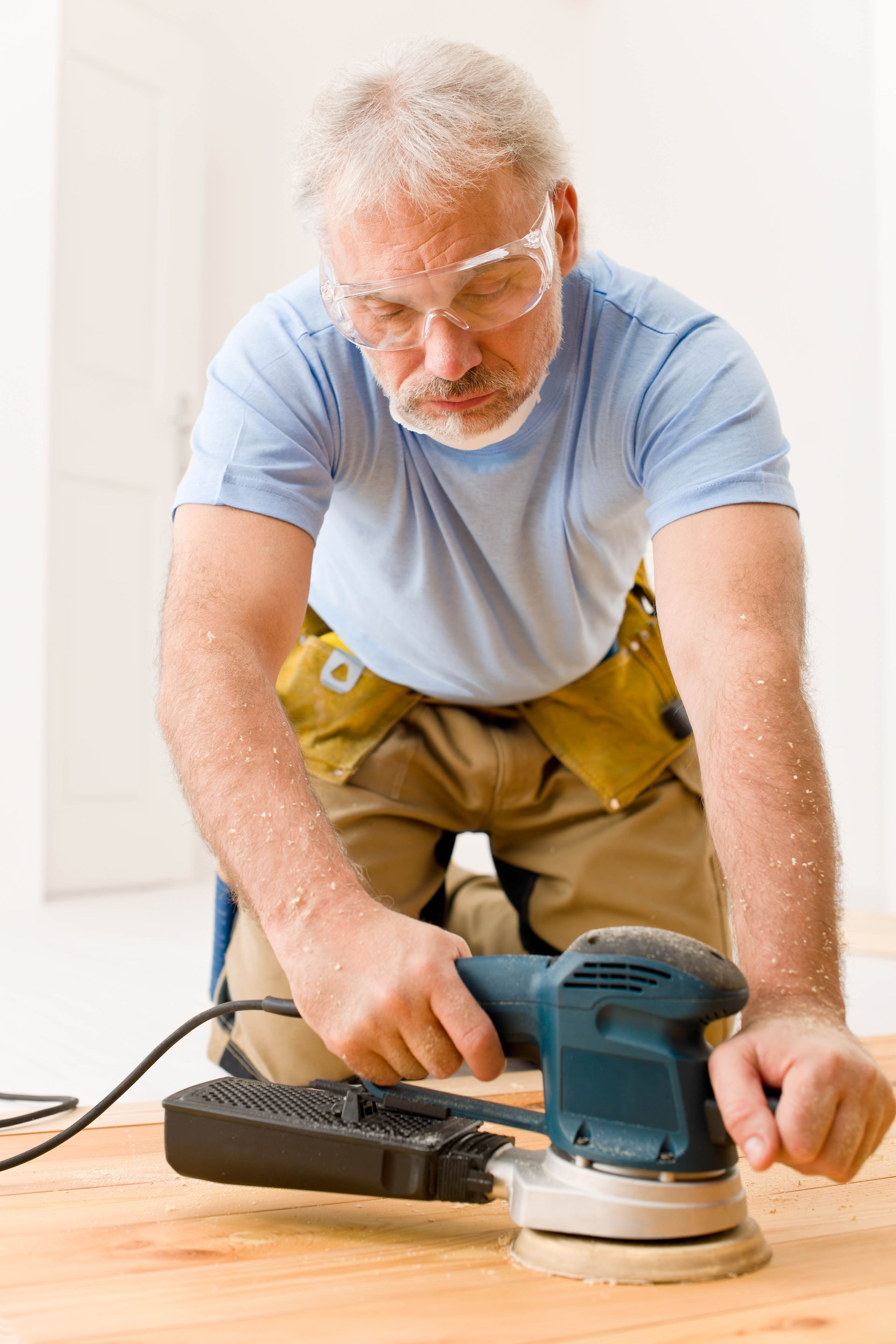
Durability is another significant advantage. When properly installed and maintained, hardwood flooring can last for decades. Unlike some flooring materials that may need to be completely replaced after significant wear, wood can often be refinished to restore its appearance. Sanding and applying a new finish can remove surface imperfections and give an older floor a refreshed appearance.
Hardwood can also provide flexibility as interior styles change. A floor installed in a home with traditional furnishings can continue to work if the homeowner later adopts a more modern aesthetic. Its relatively neutral character allows furniture, paint, artwork, and other decorative features to change without necessarily requiring a new floor.
In addition, well-maintained hardwood may contribute to a home's appeal to prospective buyers. While the effect on property value varies depending on location, market conditions, installation quality, and buyer preferences, attractive flooring can be a desirable feature when a property is listed for sale.
How Do You Choose the Right Hardwood Flooring for Your Home?
Choosing the right wood involves more than choosing a color that looks attractive in a showroom. Homeowners should consider the room's existing design, the amount of natural light, expected foot traffic, and the desired long-term appearance.
Oak is a common option because it offers prominent grain patterns and a broad range of finishes. Its versatility makes it suitable for both traditional and contemporary interiors. Maple generally has a subtler grain and a lighter appearance, which can contribute to a clean and understated design. Cherry, meanwhile, is known for its warmer coloring and distinctive appearance and can work particularly well in interiors that emphasize richer tones.
The finish also influences the final appearance. Glossy surfaces can create a more formal look, while matte or low-sheen finishes tend to produce a relaxed, contemporary appearance. Plank width can have a similar effect. Wider boards may make a room feel more open, while narrower boards can provide a more traditional appearance.
Homeowners should also consider whether solid or engineered wood is appropriate for the project. Solid wood is milled from a single piece of lumber, while engineered products consist of a hardwood surface layer attached to a multi-layer core. Engineered flooring can offer greater dimensional stability in certain environments, although the appropriate choice depends on the home and installation conditions.
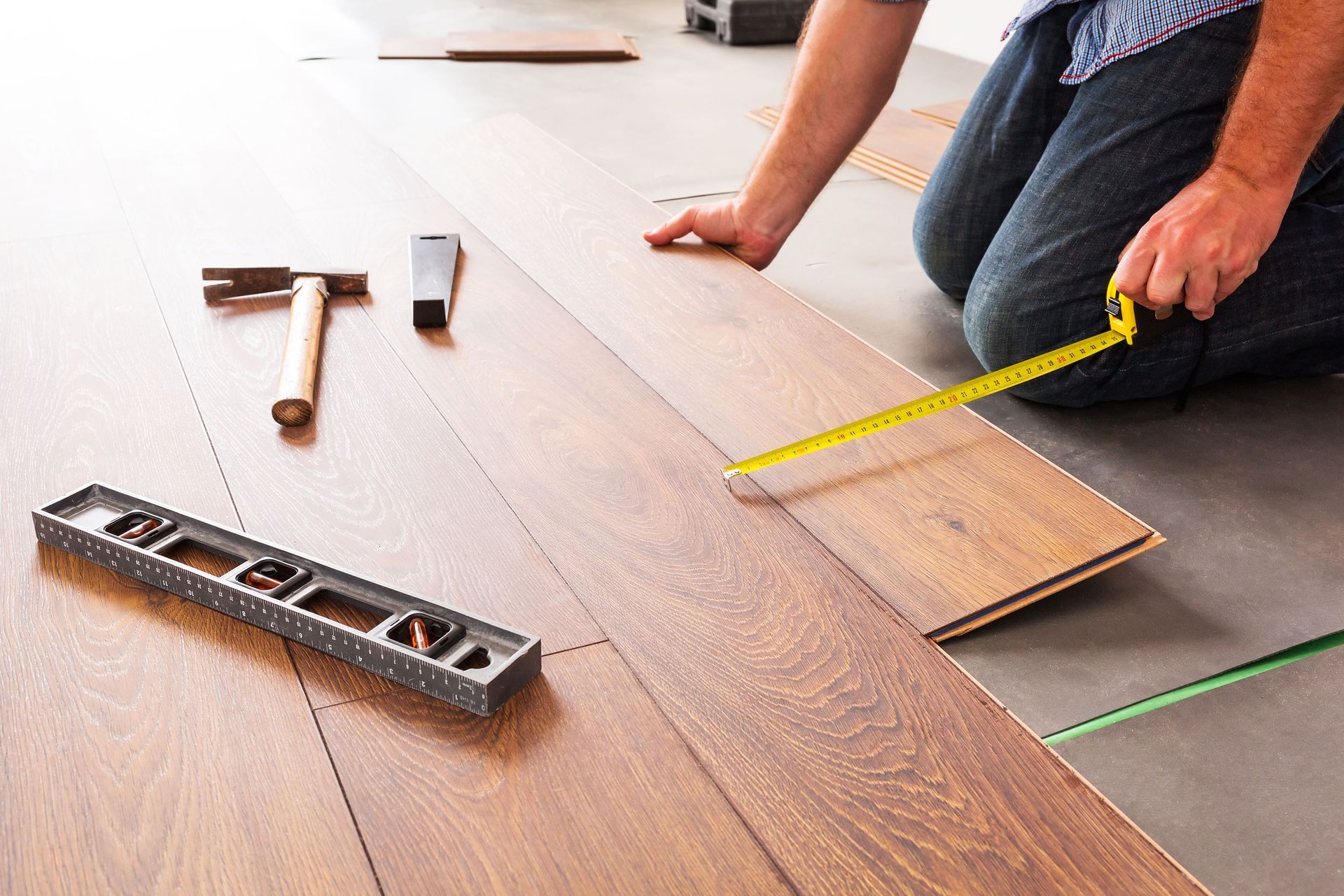
Moisture is another important consideration before installation. According to Flooring Clarity, most hardwood installations in the United States generally call for flooring material to have a moisture content between 6% and 9% before installation. Checking moisture levels and allowing materials to properly acclimate can help reduce the risk of problems associated with excessive expansion or contraction.
What Are the Maintenance Requirements for Hardwood Flooring?
Maintaining hardwood flooring is generally straightforward, but consistency is important. Regular sweeping, dusting, or vacuuming with an appropriate attachment can help remove dirt and grit that might otherwise act as abrasives against the finish. High-traffic areas may require more frequent cleaning than rooms that are rarely used.
Spills should also be addressed promptly. Although properly finished wood can withstand normal household use, standing moisture can create problems if it is allowed to remain on the surface. Homeowners should follow the cleaning recommendations associated with their particular finish rather than assuming that every household floor cleaner is appropriate for wood.
Furniture can contribute to scratches and dents, particularly when heavy pieces are moved across the floor. Felt pads beneath furniture legs can reduce this risk, while rugs or mats can provide additional protection in entryways and other high-traffic areas. However, rugs should be used in ways that allow the flooring to remain clean and dry.
How Does Hardwood Flooring Affect Indoor Air Quality?
Flooring materials can influence indoor air quality based on their construction, finishes, adhesives, and ability to collect dust or other particles. Hardwood has a relatively smooth surface, which means it does not trap dust, pet hair, and other debris in the same way that carpet fibers can.
This can make hardwood flooring an appealing option for households concerned about maintaining surfaces that are relatively easy to clean. Regular cleaning can remove accumulated particles from the floor instead of allowing them to remain embedded in fibers.
However, the flooring itself is only one part of the indoor-air-quality equation. Finishes, adhesives, underlayments, cleaning products, and installation materials can all affect indoor conditions. Homeowners should therefore consider product specifications and follow manufacturer recommendations when choosing materials.
Ventilation is also important during and after installation, particularly when products with noticeable odors or emissions are being used. Allowing appropriate ventilation and following recommended curing periods can help maintain a comfortable indoor environment.
What Is the Cost of Installing Hardwood Flooring?
The cost of a hardwood project can vary considerably based on several factors. Material choice is one of the largest variables. Different wood species, grades, finishes, plank dimensions, and construction methods can carry different price points. More specialized or premium materials may increase the initial investment.
Labor is another significant consideration. Installation costs can depend on the size and layout of the space, the installation method, the condition of the existing subfloor, and whether old flooring needs to be removed. Rooms with unusual layouts, stairs, transitions, or extensive preparation requirements may require additional labor.
Subfloor preparation should not be overlooked when estimating the overall project. An uneven, damaged, or unsuitable subfloor may need to be repaired or leveled before new flooring can be installed. Moisture testing and acclimation may also be necessary depending on the material and installation conditions.
Although hardwood flooring can require a larger initial investment than some alternatives, its potential longevity can influence its overall value. A floor that remains usable for decades and can potentially be refinished multiple times may not need to be replaced as frequently as some shorter-lived flooring products.
Choosing the right material requires consideration of both aesthetics and practical conditions, including moisture levels, traffic, maintenance expectations, and installation requirements. With routine care, appropriate cleaning, and timely attention to damage,
hardwood flooring can remain an attractive feature for many years. If you're looking for hardwood flooring, reach out to the team at Traditional Hardwood Floors, LLC today!