October 16, 2026
Hardwood flooring has remained a popular choice for homeowners because of its natural beauty, durability, and versatility. Whether updating a single room or renovating an entire home, wood floors can complement a wide range of interior design styles while offering practical advantages. From straightforward maintenance to potential long-term property value, hardwood provides benefits that extend beyond appearance. Understanding its durability, environmental impact, effect on indoor air quality, and overall cost can help homeowners determine whether this flooring option suits their needs and budget.
What Are the Main Advantages of Wood Flooring?
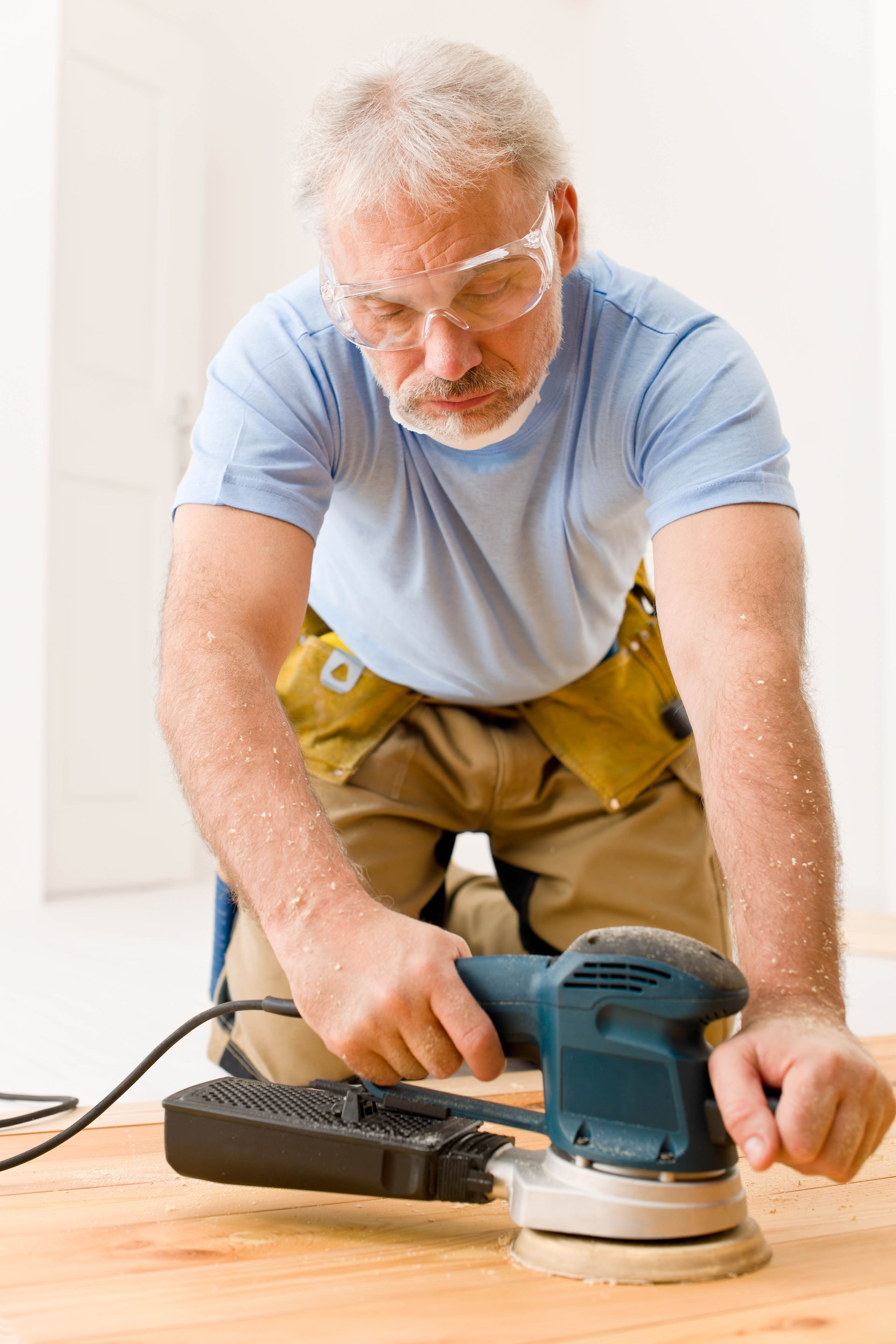
One of the primary advantages of hardwood flooring is its durability. When properly installed and maintained, solid hardwood can last for decades. Unlike some flooring materials that must be replaced when they become worn, many solid wood floors can be sanded and refinished multiple times. This process removes surface imperfections and allows homeowners to refresh the floor's appearance without replacing the entire installation.
Maintenance is another practical benefit. Regular sweeping or vacuuming with a suitable attachment helps remove dirt and debris, while occasional cleaning with a manufacturer-approved product keeps the surface looking its best. Unlike carpet, hardwood does not have fibers that readily trap dust, crumbs, and pet hair. Spills can also be easier to clean when addressed promptly, reducing the likelihood of lingering stains.
Wood floors offer versatility throughout a home. They work well in living rooms, bedrooms, dining areas, and hallways, creating a consistent appearance between connected spaces. However, solid hardwood is generally less suitable for areas exposed to frequent moisture, such as full bathrooms and laundry rooms. Excessive humidity and standing water can cause swelling, warping, or other damage.
Another advantage is the ability to update the finish over time. Homeowners can change the stain or sheen during certain refinishing projects, helping older floors remain attractive as decorating preferences evolve.
How Does Wood Flooring Improve a Home's Aesthetics?
Hardwood brings natural texture and variation into interior spaces. Because every plank has a distinct grain pattern, knots, and tonal differences, wood floors can provide visual character that manufactured materials may struggle to reproduce convincingly. These details help create an inviting atmosphere while allowing the flooring to serve as either a subtle background or a defining design feature.
Color selection significantly influences the overall effect. Light oak, maple, and ash can make rooms feel brighter and more open, particularly when paired with neutral walls and natural lighting. Medium brown finishes provide a traditional appearance, while darker stains can introduce contrast and a sense of formality. Gray or whitewashed finishes may suit contemporary interiors, depending on the surrounding materials and furnishings.
Plank width and installation patterns also affect the finished look. Wide planks can create a spacious, streamlined appearance, while narrower boards often evoke more traditional interiors. Herringbone and chevron patterns introduce movement and visual interest, although their installation may require additional labor and material.
Is Wood Flooring an Eco-Friendly Option?
Hardwood can be an environmentally responsible flooring choice when its materials are sourced and manufactured carefully. Trees are renewable resources when forests are managed to support regeneration, biodiversity, and long-term ecosystem health. However, the environmental benefits of wood depend on responsible forestry practices, harvesting methods, transportation, and manufacturing processes.
Homeowners can look for products certified by credible forestry organizations, such as the Forest Stewardship Council, to help evaluate whether the wood comes from responsibly managed sources. Certification does not eliminate every environmental impact, but it provides useful information about forest management and supply-chain accountability.
Longevity also contributes to the sustainability of hardwood. A floor that remains in service for decades may require fewer replacements than a material with a shorter useful life. Refinishing can extend that lifespan further, reducing the demand for new flooring materials and the waste associated with removing old surfaces.
Reclaimed wood offers another option. Salvaged boards from older buildings, barns, and other structures can be repurposed into distinctive floors without requiring newly harvested timber for the same application. Reclaimed materials may also preserve attractive grain patterns and characteristics that are difficult to find in newly manufactured products.
How Does Wood Flooring Affect Indoor Air Quality?
Flooring materials can influence how dust and other particles accumulate inside a home. Unlike carpet, hardwood has no deep pile in which dust, pollen, pet dander, and other debris can become embedded. Its relatively smooth surface allows these particles to be removed through routine sweeping, vacuuming, and damp cleaning.
This characteristic may benefit households concerned about allergens. Although wood floors do not eliminate indoor allergens, they can make certain cleaning tasks easier and reduce the accumulation of debris associated with carpet fibers. Regular cleaning remains important because particles can still collect along baseboards, between boards, and beneath furniture.
Product selection also matters. Some flooring products, adhesives, sealants, and finishes can release volatile organic compounds, commonly called VOCs, into indoor air. Emissions vary depending on the materials and manufacturing process. Choosing products with appropriate low-emission certifications and following installation and ventilation recommendations can help limit unnecessary exposure.
Hardwood is not automatically free from indoor air quality concerns. Some finishes contain chemicals that require careful handling during installation or refinishing. Homeowners should follow product instructions and allow adequate ventilation during work and curing periods.
What Is the Cost Efficiency of Installing Wood Flooring?
The initial cost of hardwood is often higher than that of basic vinyl, laminate, or carpet. Expenses depend on the wood species, plank dimensions, finish, installation complexity, subfloor condition, and local labor rates. Solid hardwood, specialty patterns, and premium species may require a larger upfront investment, while some engineered hardwood products provide alternatives at different price points.
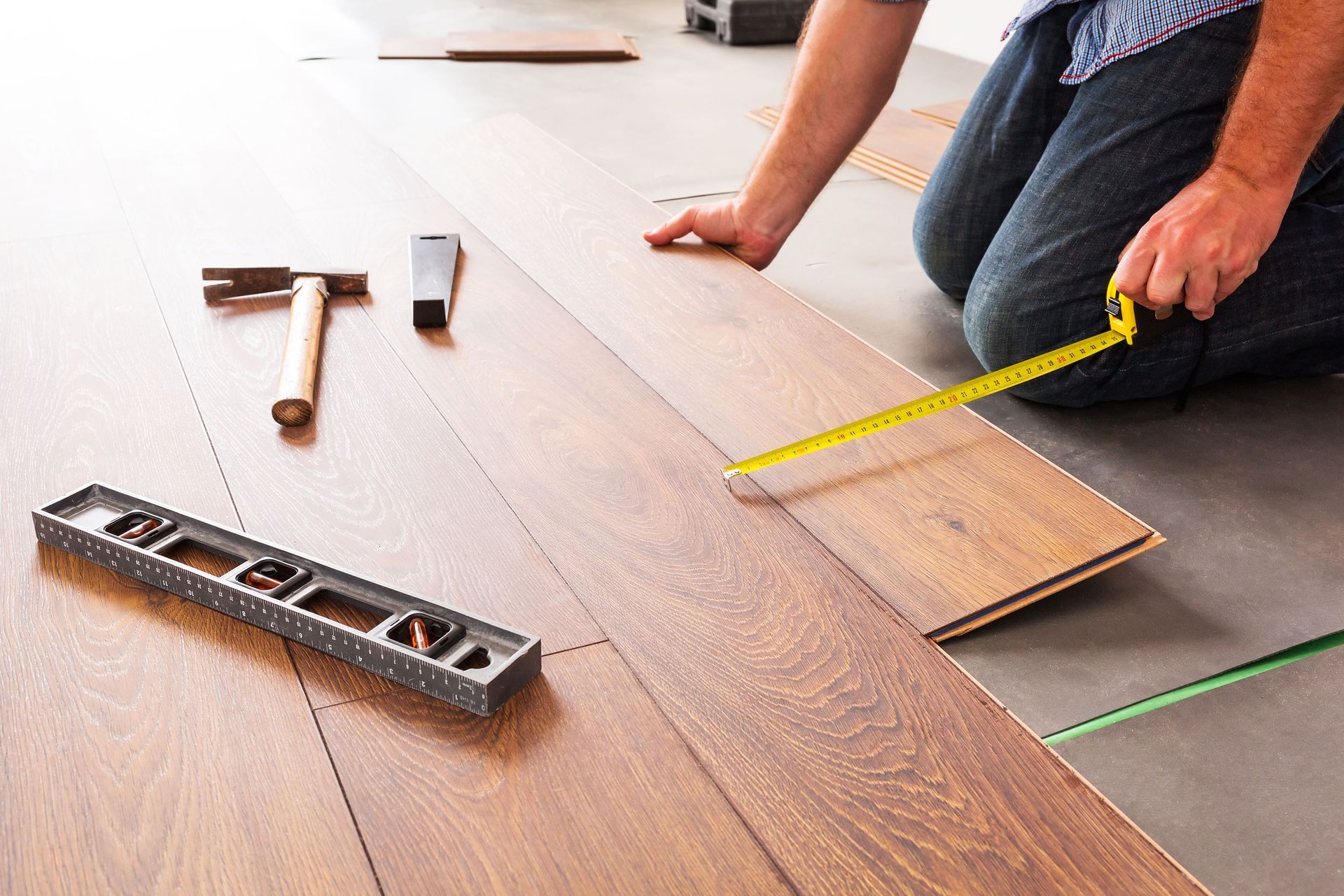
Installation costs should include more than the flooring itself. Removing existing materials, preparing the subfloor, installing underlayment where required, and replacing trim can increase the total project budget. Homeowners should also account for furniture removal and temporary disruptions during installation.
Long-term expenses may be lower than expected because hardwood can last for decades with proper care. Refinishing can restore worn surfaces, potentially postponing the need for a complete replacement. However, refinishing has its own costs, and not every engineered product has a thick enough wear layer to support repeated sanding. Comparing expected maintenance and replacement costs provides a more realistic assessment than considering purchase price alone.
Hardwood may also contribute to a property's appeal. Many prospective buyers appreciate natural wood floors because of their appearance and perceived durability. Although the effect on resale value varies by market, property condition, and buyer preferences, well-maintained hardwood can be an attractive feature when selling a home.
Professional installation can also support the flooring industry's continued demand for skilled workers. According to the U.S. Bureau of Labor Statistics, employment for flooring installers and tile and stone setters is projected to grow by 6% from 2024 to 2034. This outlook reflects anticipated occupational demand, although it does not guarantee specific installation costs or property value increases.
Wood flooring offers a combination of durability, natural beauty, design flexibility, and potential long-term value. Its smooth surface can simplify cleaning, while responsible sourcing and a long service life may support more sustainable renovation choices. Homeowners should still consider moisture exposure, installation expenses, product emissions, and maintenance requirements before making a decision.
By comparing materials, finishes, and professional installation options, homeowners can choose a floor that suits their lifestyle and budget. If you're considering hardwood flooring, reach out to Traditional Hardwood Floors, LLC today!