August 3, 2026
In today's housing market, homeowners are increasingly interested in improvements that enhance everyday comfort while contributing to long-term property value. Hardwood flooring has become a popular choice because it combines natural beauty, durability, and financial benefits in a single upgrade. Although the upfront investment can be higher than some alternatives, its longevity, relatively simple maintenance, and appeal to future buyers can help offset the initial expense. By considering resale value, durability, repairability, and everyday upkeep, homeowners can better understand why this material may nearly pay for itself over the course of ownership.
Increased Home Value and Marketability
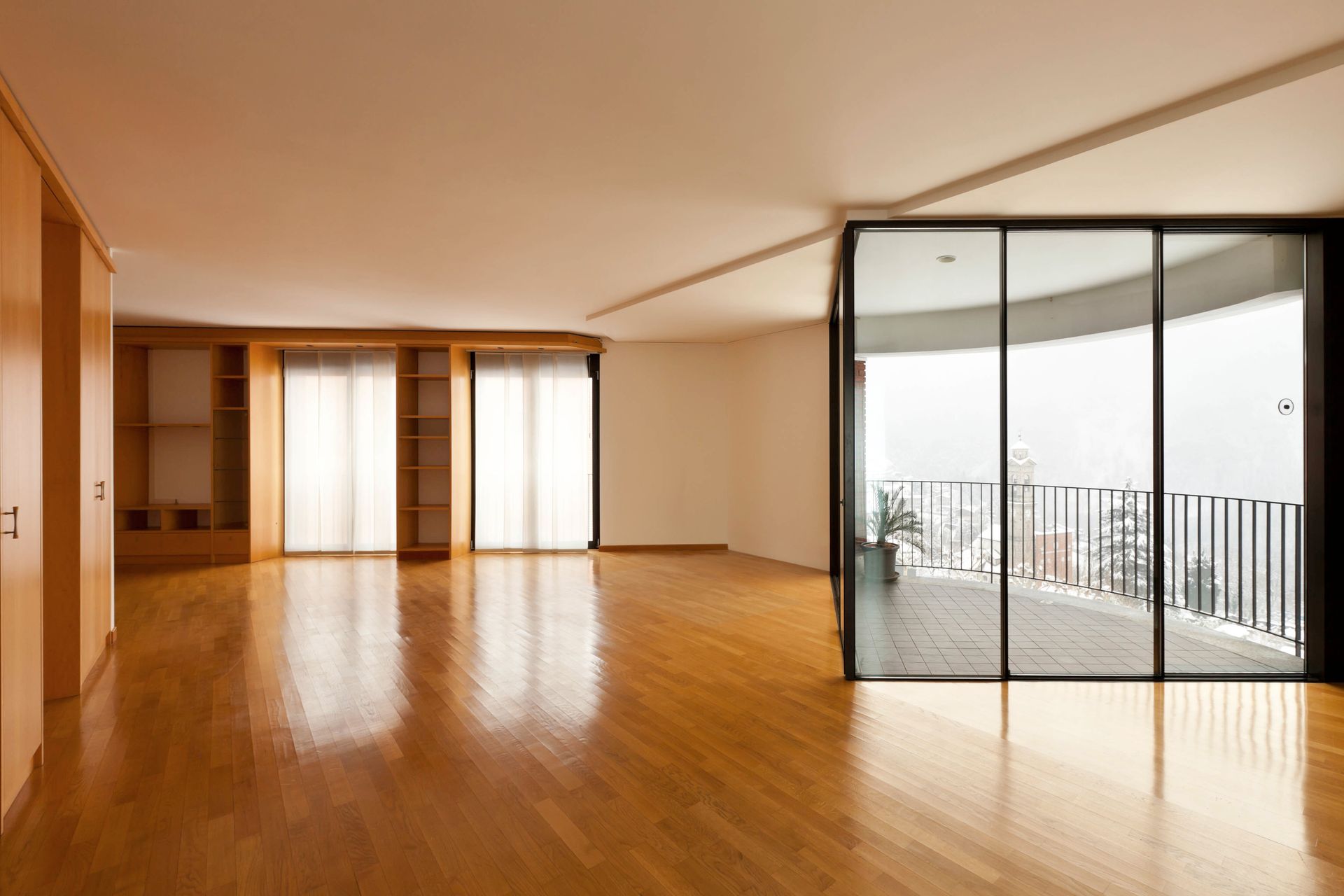
Hardwood flooring is often associated with elegance, craftsmanship, and lasting quality. Natural grain patterns, warm tones, and a polished appearance can make living spaces feel more inviting while complementing design styles ranging from traditional to contemporary. Because flooring covers such a large visual area of a room, upgrading it can dramatically affect a buyer's first impression. A home with attractive wood floors may appear more carefully maintained and move-in ready, which can make the property more appealing when it enters a competitive real estate market.
This appeal can translate into financial benefits at resale. According to Forbes, homeowners can receive a 106% return on investment from hardwood floors, illustrating how strongly the improvement can contribute to property value. Prospective buyers may also appreciate that they will not need to replace outdated carpeting or worn flooring immediately after purchasing the home. By reducing the likelihood of near-term renovation expenses, attractive floors can strengthen a property's perceived value and help sellers justify a competitive asking price.
Comparing Long-Term Value With Other Materials
Hardwood flooring can cost more initially than carpeting, vinyl, or certain laminate products, but purchase price alone does not provide a complete picture of flooring expenses. Materials with shorter usable lifespans may require replacement multiple times during the period that a quality wood floor remains in place. Carpeting can become stained, flattened, or dated, while some manufactured materials cannot be restored once their decorative surface is significantly damaged. Repeated removal, material purchases, and installation costs can gradually make initially inexpensive alternatives less economical.
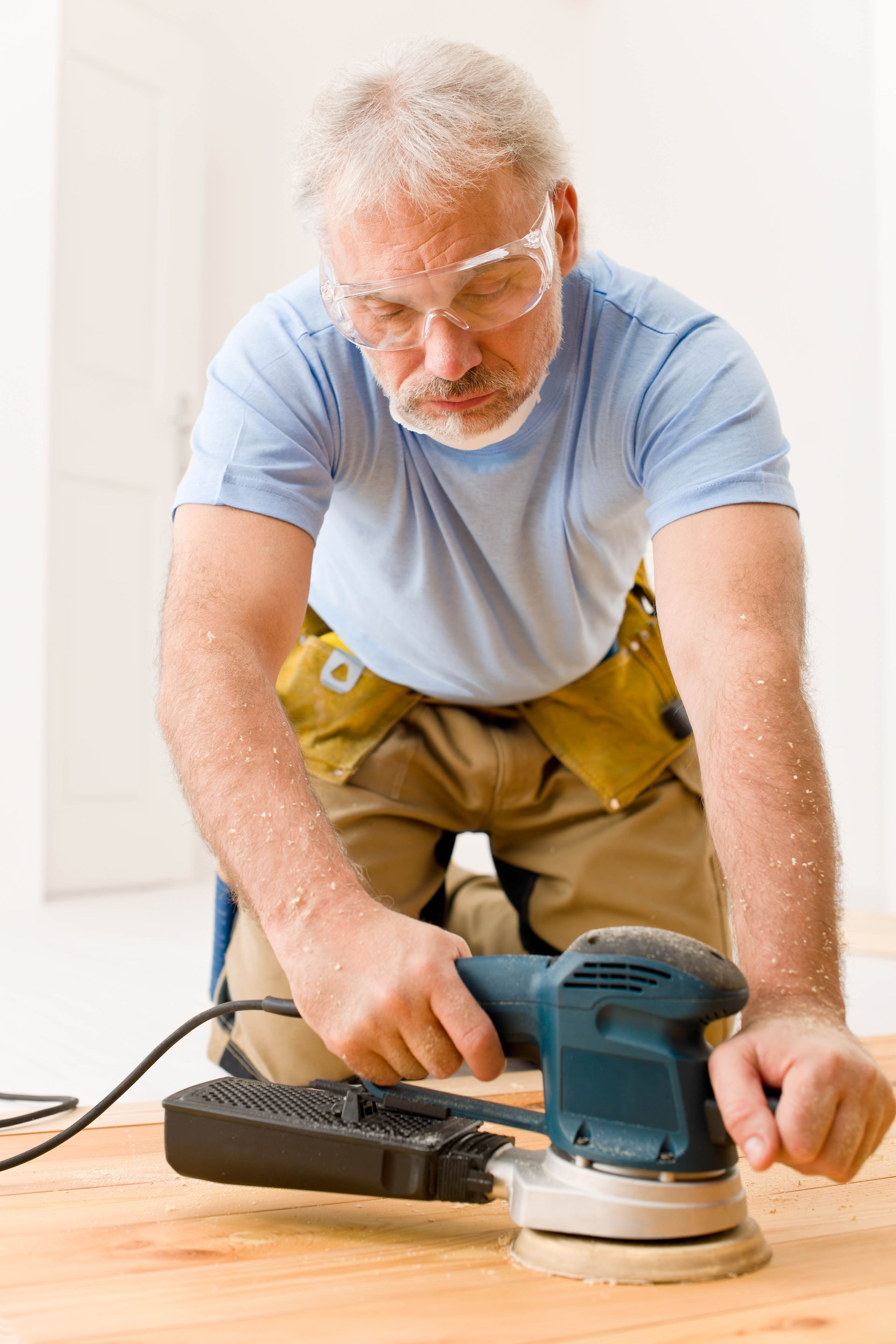
Wood offers a different lifecycle because the surface can often be renewed rather than completely replaced. Scratches, dull finishes, and ordinary wear may be addressed through screening, sanding, refinishing, or localized repairs. This ability to restore the existing floor can protect a homeowner's original investment and reduce the amount of material sent to waste. Over several decades, avoiding multiple complete flooring replacements can make the higher initial cost easier to justify financially.
Buyer Preferences and Interior Flexibility
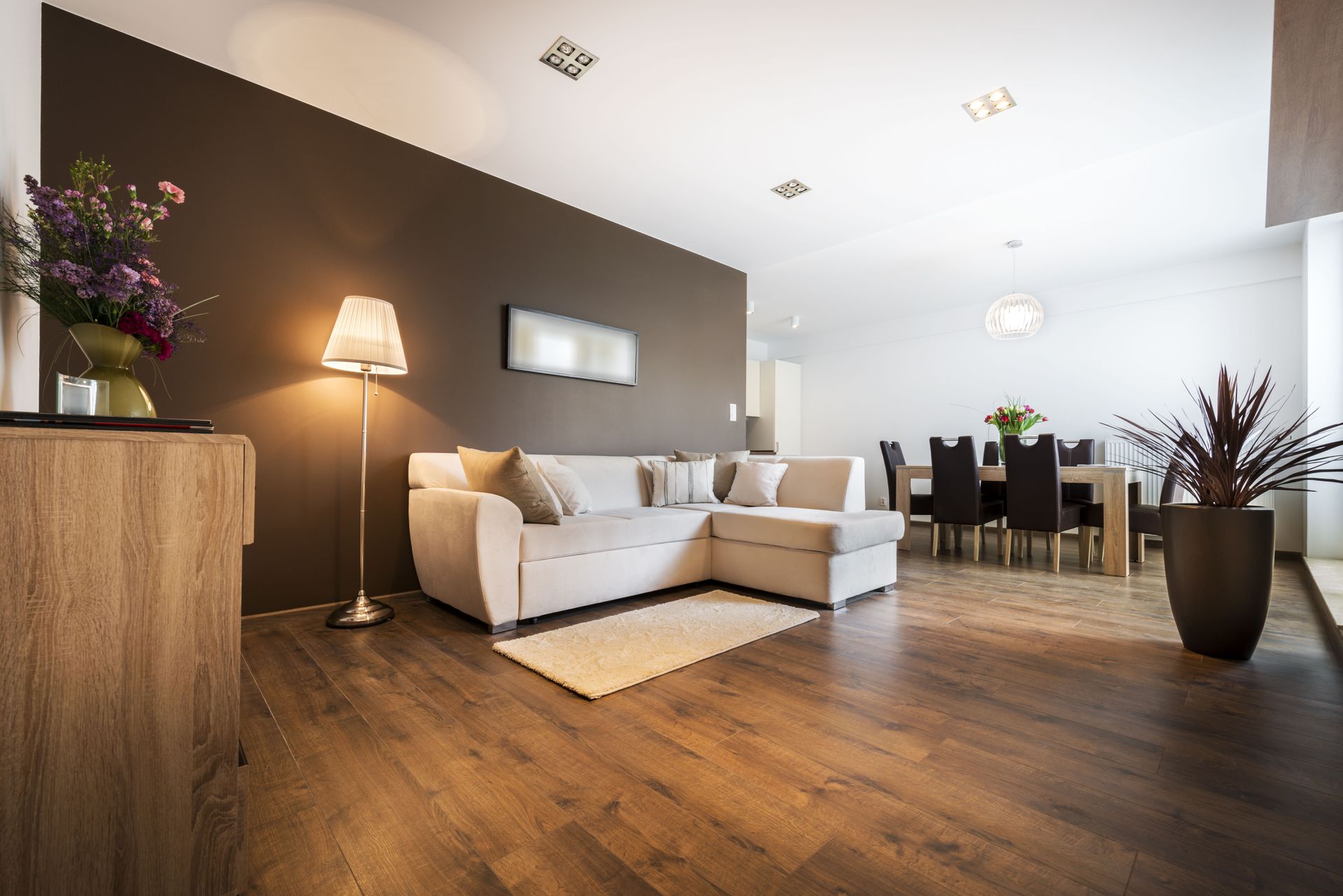
Hardwood flooring also appeals to buyers because it provides a versatile foundation for decorating. Wood tones can work with changing paint colors, furniture styles, rugs, and interior trends without requiring homeowners to redesign the entire room. Rather than committing a space to the color or pattern of a carpet, owners can change decorative elements around the floor as tastes evolve. This flexibility can be particularly beneficial during resale because prospective buyers may find it easier to imagine their own furniture and belongings in the home.
The smooth surface is another practical advantage for households that prefer straightforward cleaning. Dust, pet hair, crumbs, and other debris remain visible and can generally be swept or vacuumed away instead of becoming embedded within fibers. Buyers who prioritize convenient maintenance may see this as another reason to prefer wood over carpeting. Combined with its recognizable appearance and reputation for durability, this practicality can help a home stand apart from competing properties.
Durability That Supports Long-Term Savings
One of the most important financial advantages of hardwood flooring is its potential lifespan. Quality floors that are properly installed and maintained can remain functional for decades, and historic homes demonstrate that well-preserved wood can endure considerably longer. Flooring does not need to look completely new throughout its lifetime to provide value. Minor marks and natural aging can add character, while refinishing provides an opportunity to renew surfaces when substantial wear eventually develops.
Durability becomes especially important in busy areas such as hallways, living rooms, dining rooms, and entryways. Carpet fibers may compress or develop visible traffic patterns, while vinyl and laminate surfaces may eventually suffer damage that cannot easily be repaired. Wood can develop scratches and dents as well, but many forms of surface wear can be corrected without removing the entire floor. Using rugs in high-traffic areas, placing protective pads beneath furniture, and quickly cleaning spills can further extend its useful life.
Repairing and Refinishing Instead of Replacing
The ability to refinish hardwood flooring is one of the characteristics that distinguishes it from many alternative materials. A professionally refinished floor can receive a refreshed surface, updated stain, and protective coating without requiring homeowners to purchase an entirely new flooring system. This process can be particularly valuable before placing a home on the market because it allows aging floors to regain much of their original appearance while preserving the character of genuine wood.
Localized damage may also be manageable depending on the flooring construction and extent of the problem. Individual boards can sometimes be repaired or replaced without disturbing an entire room. Homeowners can reduce the likelihood of more extensive repairs by controlling indoor moisture, protecting surfaces from furniture movement, and addressing leaks promptly. These preventive measures require relatively little effort compared with the cost and inconvenience of replacing flooring throughout several rooms.
Simple Cleaning and Preventive Maintenance
Routine care is another area where wood floors can provide savings. Regular sweeping, dusting, or vacuuming removes abrasive particles that might otherwise scratch the finish, while occasional cleaning with products intended for the specific floor helps maintain its appearance. Unlike carpet, wood does not typically require frequent deep extraction cleaning. Spills can often be wiped away quickly, helping prevent odors and staining when homeowners respond promptly.
Preventive care can make maintenance even easier. Rugs and runners can protect busy pathways, while felt pads beneath furniture help prevent scratching and indentations. Homeowners should also avoid dragging heavy objects directly across the surface. Maintaining stable indoor humidity can reduce excessive expansion and contraction of natural wood. These simple habits support both appearance and structural condition without demanding an elaborate maintenance routine.
Resilience in Everyday Living
Hardwood flooring performs best when homeowners understand how environmental conditions affect natural materials. Wood naturally responds to changes in moisture and humidity, so proper installation, acclimation, and climate control are important. Leaving appropriate expansion space and maintaining reasonable indoor conditions can help minimize movement between boards. Promptly addressing spills, plumbing leaks, or other sources of excess water further protects the investment.
When properly cared for, wood floors can withstand the routines of active households while maintaining a refined appearance. Children, pets, entertaining, and frequent foot traffic will inevitably create some wear, but that wear does not necessarily mean the floor has reached the end of its life. The ability to renew the surface means homeowners can adapt the same flooring to years of changing household activity rather than automatically replacing it when visible aging occurs.
Choosing quality materials, professional installation, and consistent preventive care helps homeowners receive the greatest value from the investment. Rather than replacing flooring every time wear or decorating preferences change, owners can maintain, refinish, and update genuine wood over many years. Combined with its potential effect on resale value, this long service life explains why hardwood can come surprisingly close to paying for itself while providing lasting beauty and functionality throughout the home. Contact our team at Traditional Hardwood Floors, LLC today and learn more about our flooring services.