July 23, 2026
The appeal of hardwood flooring has stood the test of time for various reasons. Homeowners and designers alike often favor it for its aesthetic appeal and several practical benefits that complement modern living. This article explores why wood flooring continues to be a popular choice. The following sections detail the multifaceted advantages that make these floors desirable in a broad array of contexts. By examining aesthetics, durability, maintenance, sustainability, and long-term value, it becomes clear why this flooring material continues to stand out. Whether updating a single room or completing a whole-home renovation, choosing quality flooring can significantly influence comfort and resale value.
The Timeless Aesthetic Appeal
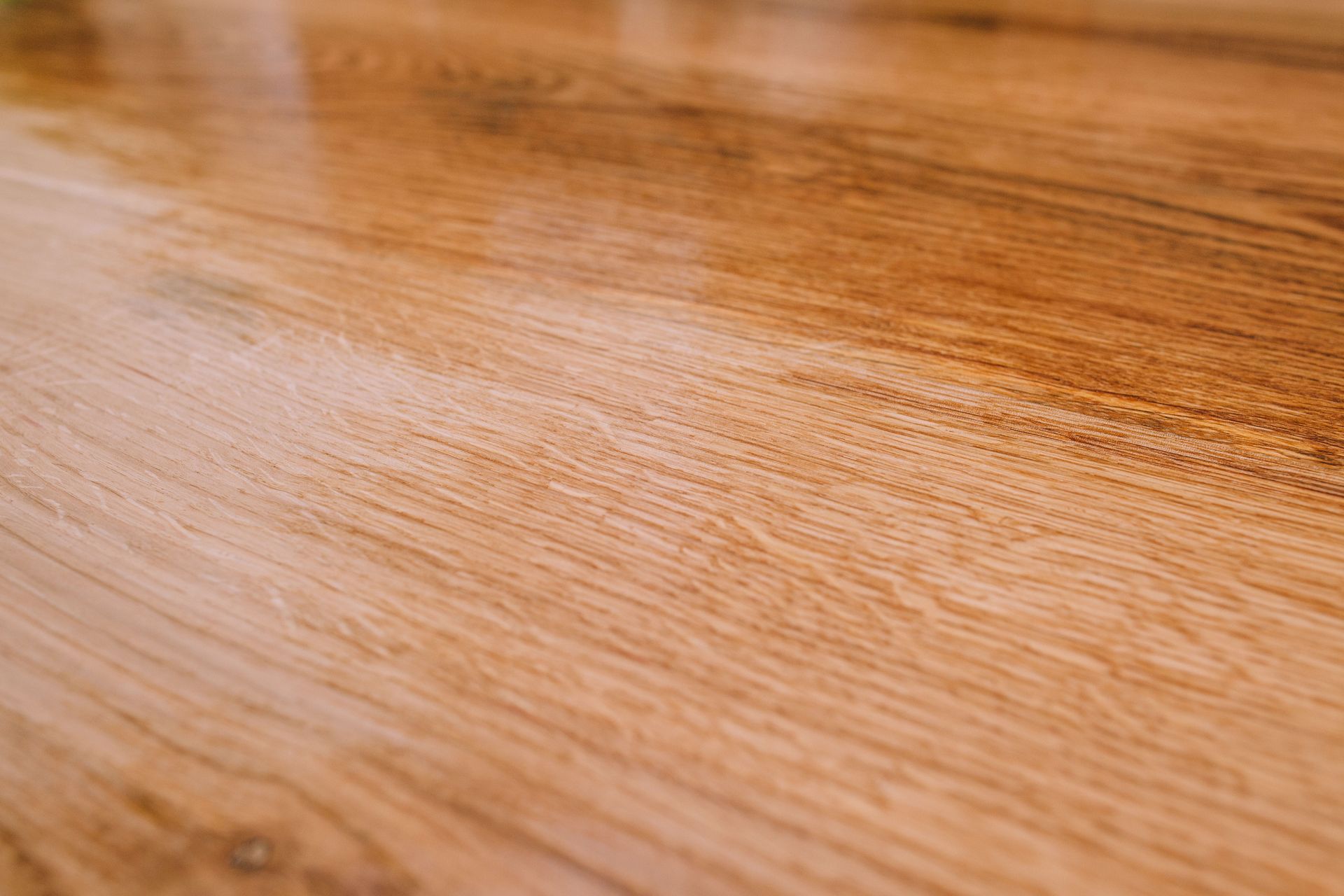
Hardwood flooring has long been celebrated for its natural beauty and elegance that effortlessly enriches any living space. The organic textures and hues of wood offer a warmth that few other materials can match. Furthermore, the ability to choose from a wide variety of wood types, such as oak, maple, and cherry, allows for a tailored aesthetic that aligns with personal style and home design trends. This versatility is a significant selling point, ensuring that each floor can be as unique as the individual who chooses it. Ultimately, the visual appeal of wood flooring is timeless, transcending fleeting trends and appealing to multiple generations.
Natural wood complements nearly every decorating style, from rustic farmhouses to sleek contemporary interiors. Because of its versatility, homeowners can easily update paint colors, furniture, or décor without needing to replace the flooring underneath.
Versatile Design Options
In addition to its natural allure, wood flooring is enhanced by a broad range of styles and finishes. Whether opting for a polished, matte, or hand-scraped look, homeowners can select finishes that enhance the grain or offer a contemporary twist. This adaptability allows floors to blend seamlessly with both modern and traditional interior designs. Architectural trends may come and go, but the timeless versatility of these surfaces ensures their continued popularity. The added benefit is that this flexibility not only meets aesthetic preferences but can also enhance a home's market value.
Wide planks, narrow boards, herringbone patterns, and mixed-width installations provide even more opportunities for customization. These design choices allow homeowners to create distinctive spaces that reflect their personalities while maintaining lasting appeal.
The impact of wood flooring on home value cannot be overstated. Many homebuyers view hardwood as a premium feature worth investing in, often willing to pay more for homes that already include quality wood flooring. This demand is reflected in real estate appraisals, where properties with wood floors frequently receive higher valuations. The long-lasting nature of wood flooring means these assets continue providing value for decades, making them a practical financial investment.
Durability and Longevity
One of the key benefits of hardwood flooring is its exceptional durability. Known for its resilience against everyday wear and tear, it can withstand heavy foot traffic while maintaining its attractive appearance. This is especially valuable in active households and commercial spaces where flooring experiences constant use. According to Globe Newswire, the global market for wood flooring is projected to reach $67.1 billion by 2030, growing at a compound annual growth rate (CAGR) of 4.7% from 2023 to 2030. This continued market growth reflects the lasting demand and confidence homeowners and businesses place in quality wood flooring.
When comparing lifespan with other flooring materials, wood consistently performs well. Carpet often requires replacement after a decade, while quality wood flooring can remain attractive for generations with appropriate care. Unlike laminate or vinyl products, many solid wood floors can be refinished several times, restoring their appearance instead of requiring complete replacement.
Repair and Restoration Advantages
Another significant advantage is the ability to repair isolated damage rather than replacing an entire floor. Minor scratches, dents, or worn finishes can often be corrected through sanding, refinishing, or replacing individual boards. This restoration capability helps preserve the overall appearance while reducing long-term ownership costs.
Routine maintenance is also relatively simple. Sweeping regularly, cleaning with manufacturer-approved products, and placing protective pads beneath furniture all contribute to extending the floor's lifespan. These straightforward habits help maintain both appearance and performance for many years.
Easy Maintenance and Cleaning
One of the many advantages of wood flooring is its ease of maintenance and cleaning. Simple cleaning routines, including sweeping and occasional damp mopping, are generally sufficient to maintain an attractive appearance. Unlike carpet, which can trap dust and allergens, smooth flooring surfaces make routine cleaning faster and more effective. Busy families appreciate having flooring that requires minimal effort while continuing to look attractive.
Resistance to stains and spills is another feature that makes these floors appealing. Properly sealed surfaces help prevent liquids from penetrating the material when spills are cleaned promptly. Kitchens, dining rooms, and entryways often benefit from this level of protection, especially in households with children or pets.
Another practical benefit is that wood surfaces do not easily trap pet hair, dirt, or lingering odors. This makes everyday housekeeping more efficient and contributes to a fresher indoor environment throughout the home.
Health and Indoor Air Quality
Wood flooring also offers meaningful health benefits for individuals with allergies or respiratory sensitivities. Because there are no fibers to trap pollen, dust mites, or pet dander, allergens are easier to remove during regular cleaning. This contributes to improved indoor air quality and creates a more comfortable environment for many families.
Maintaining cleaner indoor air can also reduce the amount of dust circulating throughout the home. As a result, occupants may spend less time performing deep cleaning while enjoying a healthier living space.
Environmental and Sustainability Benefits
Hardwood flooring provides numerous environmental advantages that make it an appealing option for environmentally conscious homeowners. Many manufacturers source wood from responsibly managed forests that prioritize long-term sustainability. Certification programs such as the Forest Stewardship Council (FSC) help verify that forest resources are harvested responsibly while protecting wildlife habitats and natural ecosystems.
Many wood flooring products also produce relatively low volatile organic compound (VOC) emissions when finished with modern low-emission coatings. Reduced VOC levels contribute to healthier indoor air quality and create a more comfortable environment for families.
At the end of its service life, wood can often be recycled, reclaimed, or repurposed into furniture, decorative features, or other building materials. Its biodegradable nature also reduces long-term environmental impact compared to many synthetic flooring alternatives.
Cost Considerations and Long-Term Value
Although installation costs may initially exceed some alternative flooring materials, the long-term financial advantages often offset the higher upfront investment. Fewer replacement cycles, strong resale value, and the ability to refinish existing floors all contribute to lower lifetime ownership costs. Many homeowners find this balance of quality and durability makes wood flooring an excellent investment.
When comparing competing flooring options, hardwood frequently delivers superior value because of its combination of longevity, appearance, and buyer appeal. Even premium alternatives such as natural stone may not offer the same balance between elegance, maintenance, and affordability.
Engineered wood products also provide additional options for homeowners seeking similar visual appeal while accommodating varying budgets and installation requirements. This broader selection allows more people to enjoy the timeless appearance of natural wood.
Installation Flexibility and Customization
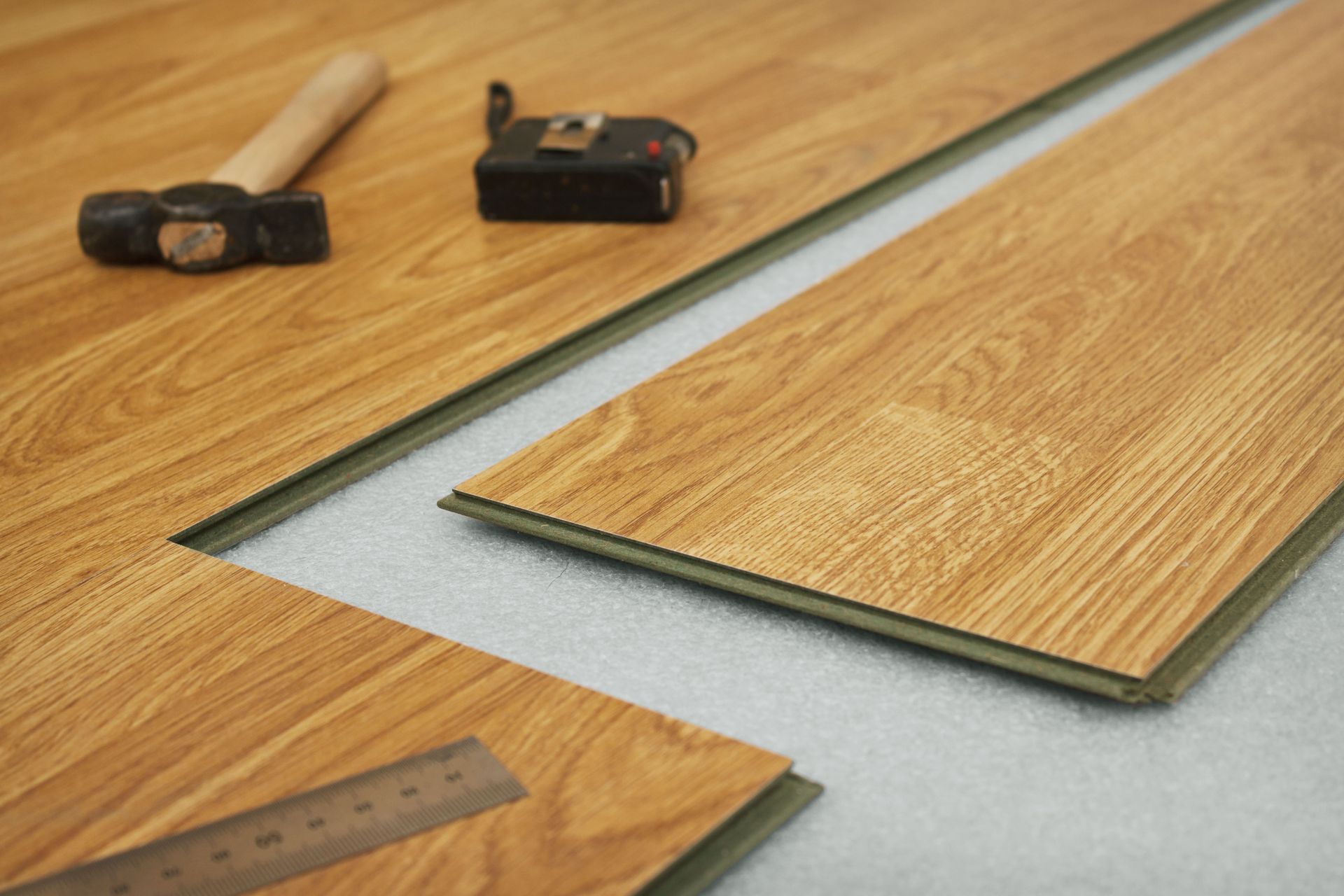
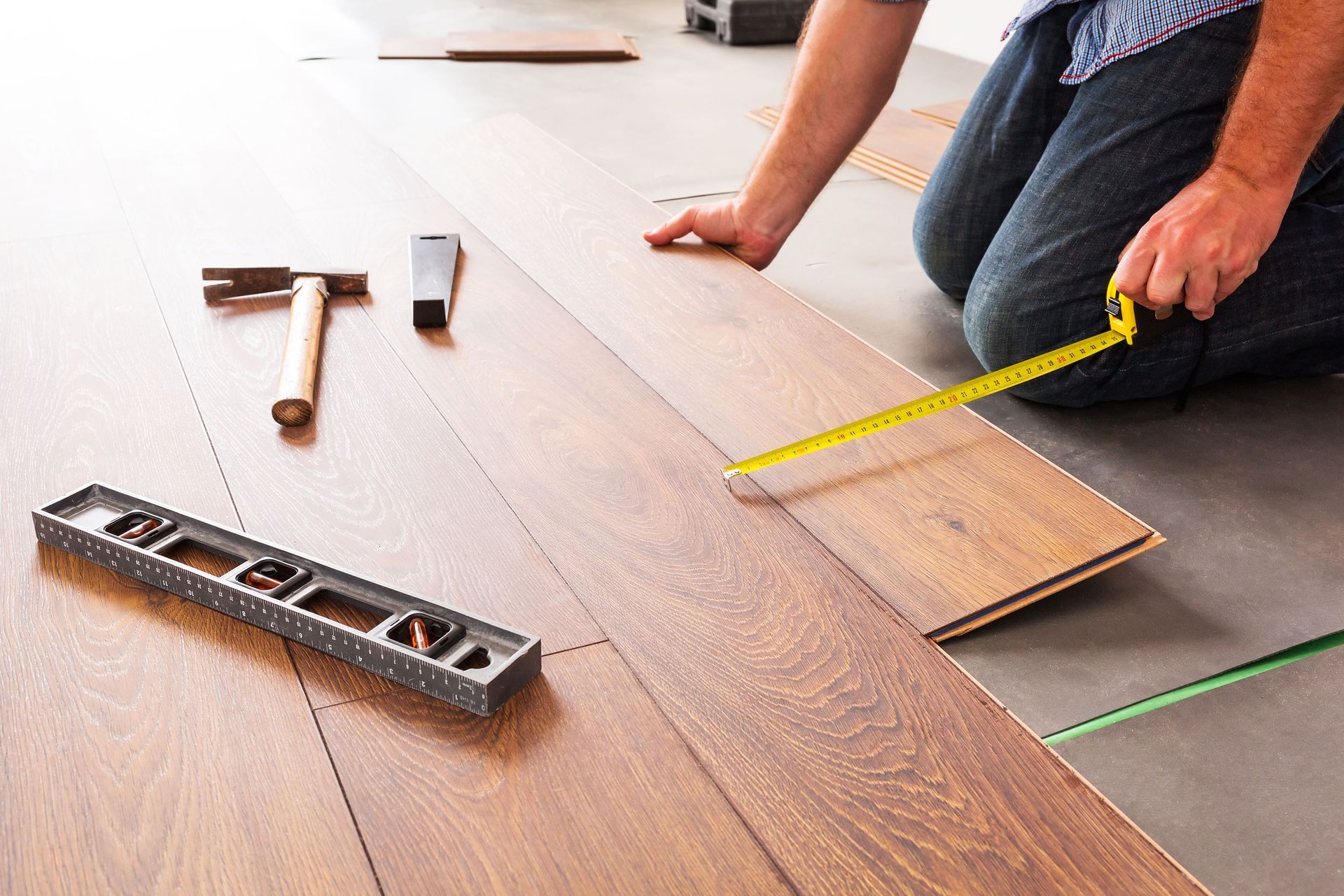
Wood flooring offers considerable flexibility during installation. Depending on the product selected, installation methods may include nail-down, glue-down, or floating systems. This variety allows installers to choose the most appropriate method based on the subfloor, project timeline, and overall budget.
Customization extends beyond installation methods. Homeowners can select board widths, stain colors, finish levels, and layout patterns that complement their home's architecture. Whether creating a cozy cottage atmosphere or a sophisticated contemporary design, numerous combinations are available.
As demand for sustainable and attractive building materials continues to grow, hardwood flooring remains one of the industry's most respected choices. Its proven longevity, versatility, and enduring appeal ensure it will continue serving homes and businesses well for many years to come. Contact Traditional Hardwood Floors, LLC today and learn more about our hardwood services.